



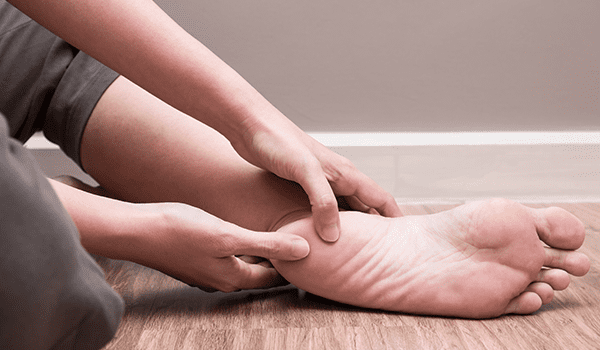
Heel pain shows up in many forms, and it typically lingers for months. Plantar fasciitis, heel spurs, and Achilles issues are among the major causes. When the pain becomes chronic, it starts to shape how you move through your day. Here is more information on the impact of chronic heel pain during your daily activities:
Early Morning Pain
The first steps out of bed may hurt the most. This is because the tissue tightens overnight, and sudden pressure strains it again. Many people limp to the bathroom, and they brace against the wall for support. You typically have to learn to move slowly.
Mornings set the tone, so a rough start affects the hours ahead. The stiffness eases after a few minutes, but it returns after rest. This cycle repeats throughout the day, and it wears you down. A short walk sometimes loosens the tissue in your heel. Stretching gently before stepping out of bed can help reduce heel pain and improve flexibility.
Changed Walking Form
Chronic pain changes how you carry your weight. You shift pressure to your toes or the outer edge, and your gait adjusts without your notice. As one foot compensates, the other side takes on extra strain and new aches appear. Your knees, hips, and lower back absorb the change, and they often are affected as well.
Halted Exercise
Exercise becomes harder when every step stings. Running, jumping, and brisk walking put direct force on the heel. Since these movements aggravate the tissue, many people stop them entirely. Motivation fades fast.
Some activities strain the heel more than others. The following tend to cause flare-ups:
- Running on hard surfaces
- Jumping or high-impact aerobics
- Standing for long shifts
- Climbing stairs repeatedly
You might switch to swimming or cycling instead, and those options ease the load. When you cut out familiar workouts, your routine shrinks. That loss frustrates active people.
Reduced Stamina
Pain drains your energy over time. Your body works harder to avoid discomfort, and that effort adds up. Since you brace against each step, your muscles tire sooner than before. Rest feels overdue by midday.
Lower stamina affects every task. Grocery trips, house chores, and errands take more out of you now. When fatigue sets in early, you skip plans you once enjoyed. Social outings may drop off.
Pain also makes it harder to stay consistent with physical activity, which can affect your overall fitness. It’s a challenge when your daily strength has diminished. While you may try to push through, your body typically demands more rest than you’re used to. Since the causes vary, an accurate diagnosis guides the right approach.
Get Treated for Heel Pain
Chronic heel pain rarely fixes itself, and ignoring it leads to worse mobility, and the surrounding joints suffer too. A specialist examines your gait and structure, and early attention gives you more options. When pain interrupts your daily life, a professional evaluation is the next step. Book an appointment with a foot specialist today, and start addressing the source of your heel pain.
