



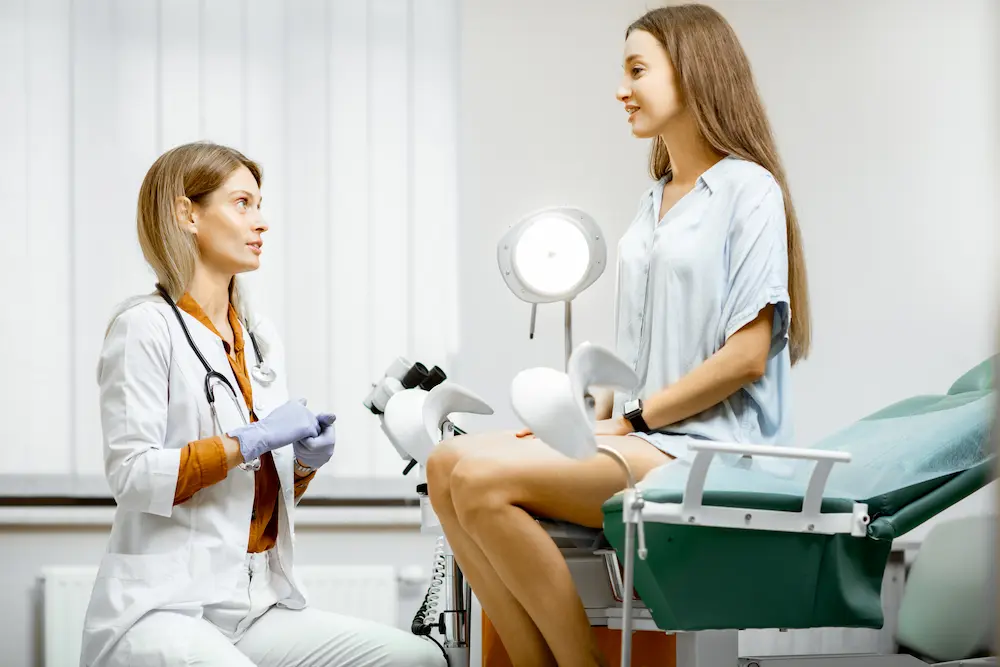
The MonaLisa Touch is a laser-based treatment designed to address changes in vaginal tissue that many women experience after menopause. It uses a fractional CO2 laser to deliver energy to the vaginal wall; this energy is intended to prompt the body’s natural tissue response. The procedure is minimally invasive, performed in an office setting, and requires no incisions or general anesthesia. Here is more information about the MonaLisa Touch procedure and its benefits:
Symptoms After Menopause
After experiencing menopause, a woman may still require treatment, such as MonaLisa touch, for some of their lingering symptoms. Menopause marks the point when a woman has gonetwelve consecutive monthswithout a menstrual period, and the years that follow are the post-menopausal stage. During this time, the ovaries produce far less estrogen, which affects many parts of the body.
Estrogen is a hormone that helps maintain the elasticity and moisture of vaginal and urinary tissues. When estrogen levels drop, these tissues can become thinner and drier, so many women notice changes in comfort and function. Medical providers typically group this collection of changes under the term genitourinary syndrome of menopause.
MonaLisa Touch Treatment
The MonaLisa Touch is a fractional CO2 laser system that is applied to the vaginal tissue through a slim, wand-like probe. This medical device delivers controlled pulses of laser energy, and the provider directs the pulses at specific points along the vaginal wall. The treatment is typically complete after a series of short sessions spaced several weeks apart. Women usually return to their regular activities the same day, but a provider may suggest avoiding intercourse for three days. Mild irritation and discomfort are normal but usually resolve within 36 hours. Because a gynecologist performs this procedure in the office, it does not involve a hospital stay.
Treatment Goals
The MonaLisa Touch is used to address several symptoms associated with vaginal tissue changes after menopause. Common symptoms addressed by the MonaLisa Touch include:
- Vaginal dryness
- Itching and burning
- Discomfort during intercourse
- Urinary urgency
- Mild incontinence
A gynecologist can help identify the source of each symptom before recommending treatment. Because other conditions can produce similar signs, a proper evaluation helps determine whether the laser treatment is an appropriate option.
Candidates for Treatment
Good candidates are typically those who are:
- Experiencing vaginal or urinary discomfort related to menopause
- Seeking a non-hormonal treatment option
- Unable to use estrogen therapy or prefer to avoid it
Some breast cancer survivors may fall into the category of women who cannot use estrogen therapy. A gynecologist will review current health conditions, medications, and treatment goals; this discussion helps set realistic expectations about what the procedure can and cannot address.
Learn More About Gynecological Care
Post-menopausal symptoms arise largely from declining estrogen, which affects the vaginal and urinary tissues and can lead to dryness, discomfort, and related concerns. Some patients experience vaginal atrophy and other related conditions, and you can ask your doctor about all the vaginal rejuvenation options available to you. For more information about post-menopausal care, consult a gynecologist near you.
