



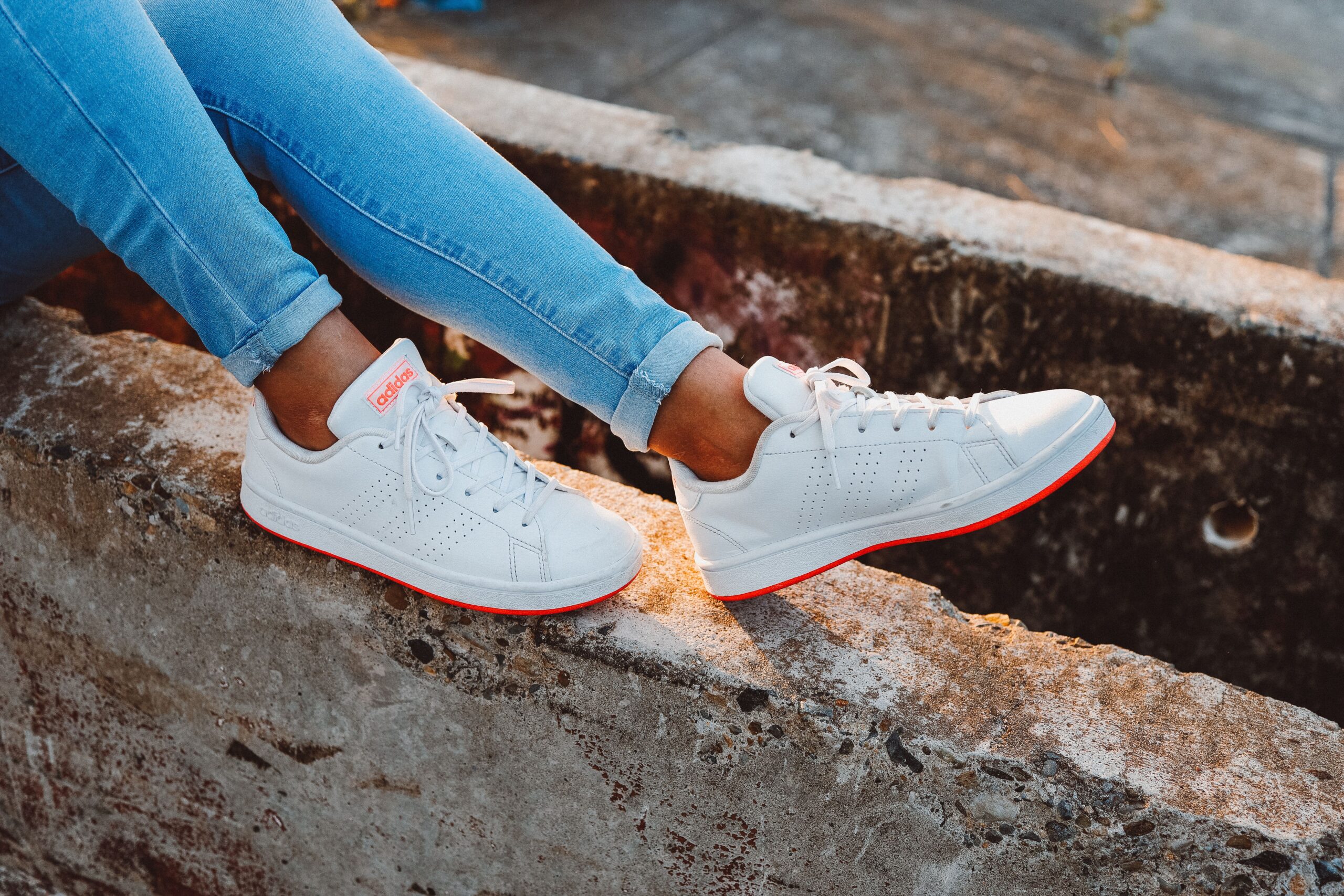
There was a time when sneakers were strictly divided into two camps: the ones you wore to the gym and the ones you wore everywhere else. That line has all but disappeared. Lifestyle sneakers now dominate closets, replacing dress shoes at the office, running shoes on casual weekends, and even the occasional pair of boots in colder months. Understanding why this shift happened, and what actually separates a good lifestyle sneaker from an average one, says a lot about how footwear culture has evolved over the past decade.
What Makes a Sneaker a “Lifestyle” Sneaker
The term itself can be a little misleading at first. Lifestyle sneakers aren’t defined by a specific sport or performance category the way running shoes or basketball shoes are. Instead, they’re designed primarily for everyday wear, prioritizing comfort, versatility, and style over specialized athletic performance. That doesn’t mean they lack functional design — many borrow cushioning technology, breathable materials, and supportive soles directly from performance footwear. The difference is in intent. A lifestyle sneaker is built to look good with jeans, work with a casual blazer, and hold up through a full day of walking, rather than being optimized for a 10K run or a game of pickup basketball.
This category includes everything from classic silhouettes like low-top canvas sneakers to modern chunky designs with exaggerated soles. Brands have leaned heavily into this space because it captures such a wide audience — people who want comfort without sacrificing appearance, and who aren’t necessarily buying shoes for athletic performance at all.
The Rise of Comfort as a Priority
A big part of why lifestyle sneakers became so dominant ties back to a broader cultural shift toward comfort-first dressing. Workplaces relaxed dress codes over the past decade, remote work blurred the line between “office clothes” and everyday clothes even further, and people simply started prioritizing how their feet actually felt over how formal their shoes looked.
Sneaker technology also caught up in a meaningful way. Cushioning systems that were once reserved for serious running shoes started appearing in casual designs. Memory foam insoles, breathable knit uppers, and lightweight midsoles became standard features rather than premium additions. This meant people no longer had to choose between a shoe that looked put-together and one that didn’t leave their feet aching after a few hours of walking.
Style Versatility Is the Real Selling Point
What separates lifestyle sneakers from purely athletic shoes is how easily they fit into different outfits and settings. A well-chosen pair can work with tailored trousers for a business-casual look, pair naturally with jeans for a weekend outing, or complement athletic wear without looking mismatched. This versatility is part of why sneaker collections have grown so much — a single pair rarely covers every situation, so people end up building small rotations suited to different outfits and occasions.
Color and material choices play a big role here too. Neutral tones like white, black, gray, and tan tend to be the most versatile, working across a wider range of outfits than bold colors or heavy branding. Leather and suede options often lean slightly more polished, making them easier to dress up, while canvas and mesh options feel more relaxed and casual by nature. Understanding these small distinctions helps when building a sneaker collection that actually gets worn regularly, rather than sitting in a box because it doesn’t match anything.
Materials and Construction Matter More Than People Think
Not all lifestyle sneakers are built the same, even within the same price range. Upper materials significantly affect both durability and appearance. Full-grain leather tends to age well and develops a slight patina over time, while synthetic leather is generally more affordable but doesn’t hold up as long. Knit and mesh uppers offer breathability, which matters for anyone wearing sneakers for long stretches throughout the day, though they may not be as weather-resistant as leather options.
Sole construction is another area worth paying attention to. Many lifestyle sneakers use rubber outsoles for durability and traction, paired with foam or gel midsoles for cushioning. Some brands incorporate more advanced cushioning technology originally developed for performance shoes, which can make a noticeable difference in comfort during long days on your feet. Paying attention to these details, rather than just the outer design, tends to lead to better long-term satisfaction with a purchase.
How to Choose the Right Pair
With so many options available, choosing lifestyle sneakers can feel overwhelming. A good starting point is thinking honestly about how the shoes will actually be used. Someone who walks several miles a day commuting will benefit from prioritizing cushioning and breathability, while someone buying sneakers primarily for casual social occasions might prioritize style and material quality over technical performance features.
Fit deserves particular attention, since sizing can vary noticeably between brands and even between different models from the same brand. Trying shoes on later in the day, when feet tend to be slightly more swollen from daily activity, often gives a more accurate sense of true fit than trying them on first thing in the morning. It’s also worth walking around in a pair for several minutes rather than just standing still, since comfort can feel different once you’re actually moving.
Budget is another practical consideration. While premium options often include better materials and more advanced cushioning, there are plenty of well-made, mid-range lifestyle sneakers that offer solid comfort and durability without a steep price tag. Reading reviews focused specifically on long-term wear, rather than just initial impressions, can help separate genuinely durable options from ones that look good in photos but wear out quickly.
Final Thoughts
The popularity of lifestyle sneakers isn’t a passing trend — it reflects a genuine shift in how people think about everyday footwear. Comfort and style used to feel like competing priorities, forcing people to choose one over the other depending on the occasion. That’s no longer necessary. With attention to materials, construction, and fit, it’s entirely possible to find sneakers that hold up to daily wear while still looking intentional, whether that’s for work, weekend outings, or simply getting through a long day comfortably.
