



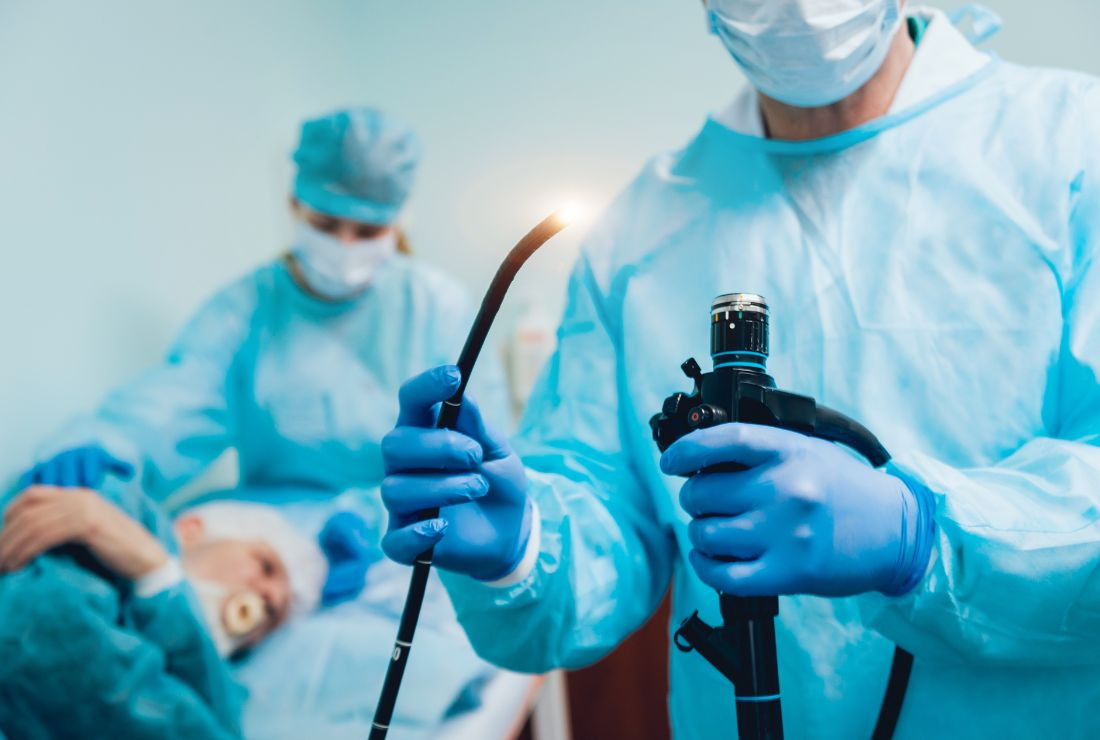
An endoscopy allows a doctor to look inside your digestive tract. A thin, flexible tube with a small camera passes through your mouth or another opening, and the images appear on a screen. Digestive problems can start quietly, so if you have ongoing symptoms, this exam gives your care team clear information. Here is more information on this procedure and how it helps diagnose conditions:
Examining the Stomach and Intestines
The camera sends live images from inside your body. Doctors examine the lining closely, and they note any redness, swelling, or unusual tissue. When a spot looks different, the doctor may take a small sample for testing. This direct look often reveals details that scans miss.
During the endoscopy procedure, you rest under sedation while the doctor works. The exam is typically quick, and many people go home the same day. Since the tube is thin, movement through the tract stays smooth. Your team monitors you closely until the sedation wears off.
Finding Ulcers Early
Ulcers are open sores that form on the lining of the stomach or intestines. An endoscopy shows their size and location, and it helps the doctor judge how deep they run. When ulcers are found early, treatment may start sooner. This view also shows whether a sore is bleeding.
Several signs may point to an ulcer before a diagnosis. Watch for these symptoms:
- Pain between meals or at night
- Nausea or a feeling of fullness
- Stools that are dark
If you notice these signs, an endoscopy helps clarify the cause. The doctor examines the affected area directly, and a tissue sample may confirm the source. Early detection gives your care team a clearer path forward.
Evaluating Inflammation
Inflammation in the digestive tract shows up as redness, swelling, or irritated Since inflammation links to conditions like colitis, a close look supports an accurate diagnosis. The findings guide the next steps in your care.
Some patterns point toward specific conditions during the exam. Doctors look for these details:
- Areas of raw or bleeding tissue
- Sections of the intestine
- Patches of swelling separated by healthy areas
Each finding adds to the full picture, and the doctor records it carefully. When the source of inflammation is clear, treatment planning becomes more precise. A tissue sample may confirm what the images suggest.
Preventing Cancer Progression
Digestive cancers sometimes begin as small growths called polyps. An endoscopy lets the doctor find and remove these growths during the same visit. Since some polyps turn cancerous over time, early removal interrupts that process. This step reduces the chance that abnormal cells spread.
Regular screening matters for people with a family history of digestive cancer. The doctor checks the lining, and any suspicious tissue goes to a lab for review. When cells are examined early, doctors identify problems before symptoms appear. Your care team then decides how often to repeat the exam.
Screening schedules depend on your age and personal risk. The doctor reviews your history, and together you set a plan. As each case differs, your timeline may not match someone else’s. Talk with your provider about the right interval for you.
Schedule an Endoscopy Near You
An endoscopy gives your doctor a direct view of your digestive tract. The exam finds ulcers, measures inflammation, and detects growths before symptoms grow worse. Since early findings shape treatment, timing matters for anyone with ongoing symptoms or added risk. Contact a gastroenterology clinic near you to book your appointment. Ask about preparation steps, and share your full symptom history with the team.
