



Hemorrhoids are swollen veins in the rectum or anus, and they are commonly triggered by straining, low-fiber diets, and prolonged sitting. Targeted lifestyle changes can help. When people adjust their diet, stay active, and improve their bowel habits, they can reduce their risk of developing hemorrhoids or worsening existing symptoms. Here is more information on what hemorrhoids are, what causes them, and how lifestyle changes help prevent them:
What Are Hemorrhoids?
Hemorrhoids are swollen or inflamed veins located in the rectum or around the anus. They are categorized as either internal, developing inside the rectum, or external, forming beneath the skin surrounding the anus; both types can cause discomfort, rectal bleeding during bowel movements, and persistent irritation. External hemorrhoids can become thrombosed. When thrombosis occurs, a firm, painful lump forms beneath the skin, which requires prompt medical attention to manage symptoms effectively.
What Causes Them?
Hemorrhoids develop when increased pressure is placed on the veins of the lower rectum. Chronic straining during bowel movements is a common contributing factor, and it is often linked to constipation or diarrhea. Because prolonged sitting, particularly on the toilet, limits circulation, it can also elevate rectal vein pressure over time.
A low-fiber diet is another cause, as it produces hard stools that are difficult to pass. Pregnancy increases the risk due to added pressure on pelvic blood vessels, and obesity compounds this further by placing sustained stress on rectal veins. Aging weakens the supportive tissue around rectal veins. Heavy lifting can similarly strain these structures.
What Lifestyle Changes Prevent Hemorrhoids?
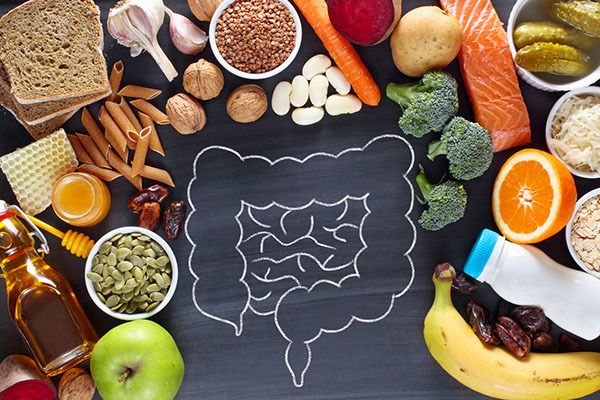
Dietary changes are key to preventing hemorrhoids. Increasing fiber intake softens stools and reduces straining; this can be achieved through foods such as whole grains, legumes, fruits, and vegetables. Hydration is beneficial. Drinking more water works alongside fiber to regulate bowel consistency, which helps minimize the effort required during defecation.
Physical activity also helps prevent hemorrhoids. Regular, moderate exercise stimulates intestinal movement, and it may reduce the time stool remains in the colon, lowering irritation risk. Sitting for extended periods places unnecessary pressure on rectal veins. When the urge to defecate arises, responding promptly rather than delaying is recommended, as postponing may increase straining and elevate the likelihood of hemorrhoidal development.
How Is Professional Guidance Beneficial?
A colorectal specialist can assess hemorrhoid severity and recommend an appropriate course of action. Professional guidance provides several benefits for patients managing this condition, including:
- Accurate diagnosis and treatment planning: A specialist can rule out other conditions and develop a targeted treatment plan.
- Individualized long-term management: Patients receive structured advice on diet, lifestyle, and follow-up care tailored to their specific medical history.
- Earlier, less invasive intervention: Seeking care promptly may result in simpler treatment options before the condition progresses.
Consulting a colorectal specialist early in the course of the condition supports better outcomes and provides a medically guided plan for long-term relief.
Consult a Specialist Today
Hemorrhoids are a manageable condition, and lifestyle changes help with both prevention and symptom reduction. Increasing fiber intake, staying well hydrated, maintaining regular physical activity, and developing healthy bowel habits help reduce rectal vein pressure. If you are experiencing symptoms such as rectal bleeding, persistent discomfort, or prolapse, schedule a consultation with a colorectal specialist. A qualified physician can assess the severity of your condition, recommend appropriate treatment, and develop a personalized plan that incorporates the lifestyle changes suited to your needs.
