



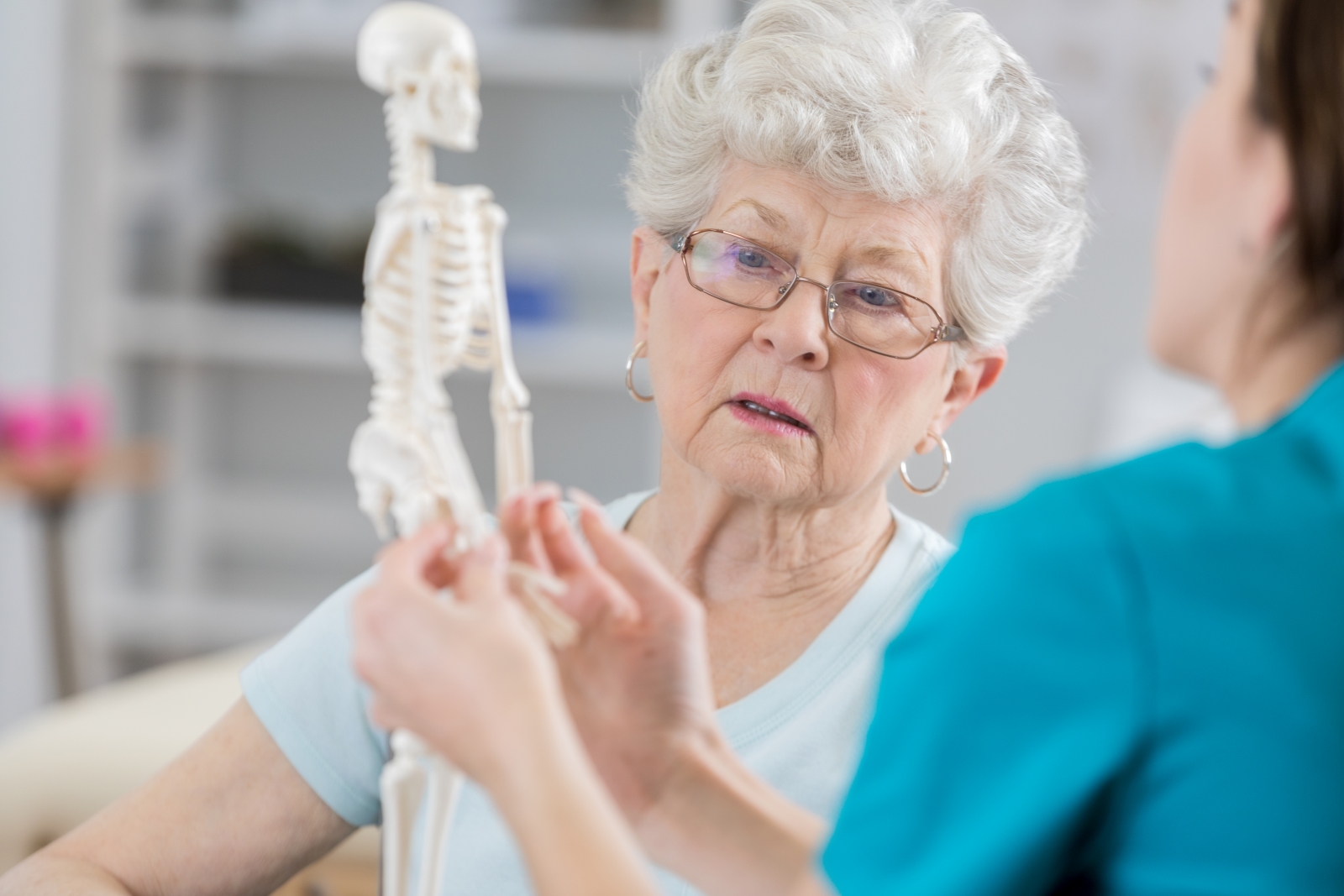
A well-woman exam is a routine health visit focused on the specific needs of women and people assigned female at birth (AFAB). During this appointment, a provider reviews your medical history, discusses lifestyle factors, and may perform screenings related to reproductive and overall health. Bone density is one area that often comes up during these visits. A bone density scan is generally recommended for women aged 65 and older, but it may be discussed earlier for women who have gone through menopause or who have other factors that influence bone strength. Here’s information on women’s health and how bone density relates to them:
What Affects Bone Health
Bone is living tissue that constantly renews itself. Throughout life, the body breaks down old bone and replaces it with new bone. During childhood and young adulthood, this process builds bone mass. Around age 30, most people reach their peak bone mass, and the balance gradually shifts toward slower rebuilding. Maintaining bone density as one ages is fundamental for men’s and women’s health.
Several factors influence how strong bones stay over time; nutrition plays a central role, particularly calcium, magnesium, and vitamin D intake. Physical activity, especially weight-bearing exercise, supports bone maintenance. Hormone levels, body weight, family history, and certain medications also contribute to overall bone strength. Some of these factors are within your control, while others are not.
Why Women Develop Bone Conditions
Women and AFAB individuals face a higher likelihood of reduced bone density conditions like oseoparosis for a few reasons. On average, women have smaller and thinner bones than men, so changes in bone mass can have a greater effect. Estrogen, a hormone that helps protect bone, decreases significantly during menopause, and this decline can accelerate bone loss. Age and family health history are other key factors for bone health. Because women often live longer than men, they may spend more years experiencing gradual changes in bone density.
How To Test Bone Density
A bone density test measures the amount of mineral content in your bones, usually at the hip and spine. The most common method is a dual-energy X-ray absorptiometry scan, often called a DXA or DEXA scan. This test is quick, uses low levels of radiation, and requires no preparation for most people. Regular assessment and consistent daily habits both play a part in managing bone health. Your provider can help you decide when testing is appropriate and what steps may support your bones.
The results of a DEXA scan is typically reported as a T-score, which compares your bone density to that of a healthy young adult. A provider reviews these numbers alongside your personal history to understand your bone health. Follow-up tests may be scheduled over time to track changes, most often for older adults.
Daily choices contribute to bone maintenance throughout adulthood. Eating foods rich in calcium and vitamin D supports the body’s bone-building process, and spending time in sunlight can help the body produce vitamin D. Weight-bearing activities such as walking, jogging, or strength training help keep bones strong. Limiting alcohol and avoiding tobacco are also associated with better bone maintenance. Discussing supplements and lifestyle adjustments with your provider can help you create a plan suited to your needs.
Schedule a Women’s Health Visit
Bone health is one part of a broader picture that a well-woman exam addresses. Regular visits give you the chance to review your history, ask questions, and learn when screenings like a bone density scan may be appropriate for you. To get personalized advice from a professional, contact a women’s health center to schedule a consultation. A specialist can offer advice based on your age, background, and individual circumstances.
