



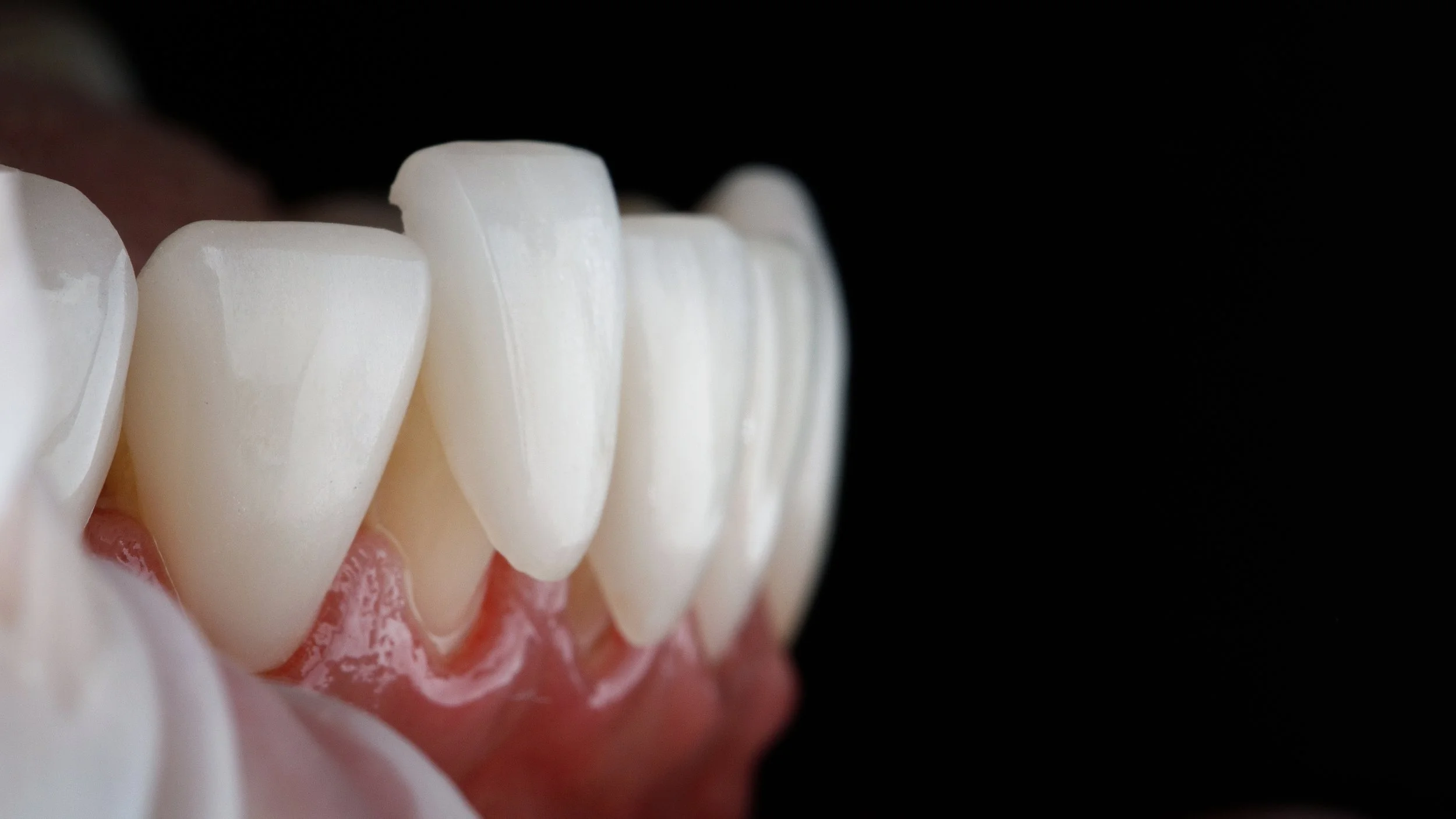
A person’s smile is a notable feature of one’s appearance, and individuals may look for ways to refine the appearance of their teeth. Dental veneers are one option within cosmetic dentistry that can alter the way teeth look. For those who have discolored, chipped, or unevenly shaped teeth, veneers offer a way to change these features without extensive procedures.
What Are Veneers?
Dental veneers are thin, custom-made shells designed to cover the front surface of teeth. They are often crafted from certain materials, which may include porcelain or a composite resin material. A dentist bonds each veneer to the surface of a tooth, and they can change its color, shape, size, or length.
Porcelain veneers reflect light in a way similar to natural tooth enamel. Composite resin veneers may be applied in fewer visits, but they do require occasional dentist visits for maintenance. The choice between materials depends on individual circumstances, including the condition of the teeth and the results a person hopes to achieve.
The process generally involves preparing the tooth, taking an impression, and then attaching the finished veneer. Each veneer is shaped to fit a specific tooth, and this allows the final appearance to blend with surrounding teeth. Because they are custom-made, veneers can be matched to the natural shade of a person’s smile.
What Do They Address?
Veneers are used to modify the appearance of teeth affected by a range of cosmetic concerns. People can turn to this option when other approaches, such as whitening, do not produce the desired outcome. There are some common issues that veneers may help address, and these include:
- Discoloration: Teeth that are stained can be covered to present a more uniform color.
- Chips and Cracks: Minor damage to the surface of a tooth may be concealed with a veneer.
- Gaps Between Teeth: Small spaces can be closed or reduced to create a more even appearance.
- Shape or Size Irregularities: Teeth that are worn down, misshapen, or smaller than others may be adjusted for balance.
It is worth noting that veneers focus on the visible surface of the teeth. They are a cosmetic solution rather than a treatment for structural or functional dental problems. A dentist can help determine whether veneers suit a particular set of concerns or whether another approach would be more suitable.
What Are the Benefits?
Veneers offer several advantages, and these may appeal to those seeking cosmetic changes. These benefits contribute to why veneers remain a commonly explored cosmetic dental option. Understanding these benefits can help a person weigh whether this option fits their preferences, including:
- Appearance: Because veneers are shaped and shaded to match surrounding teeth, they tend to blend well with a person’s smile.
- Stain Resistance: Porcelain shells resist discoloration from many common sources.
- Customization: Each veneer is made to individual specifications, allowing for control over color, shape, and size.
- Versatility: A single set of veneers can address multiple cosmetic concerns at once, such as discoloration and minor chips.
The durability and appearance of veneers depend on the material chosen and how well they are maintained over time.
Speak Further With a Dentist
Choosing whether veneers align with your goals is a decision best made with professional guidance. A dentist will examine the current state of your teeth, and they will explain which options may suit your situation. During an appointment, they can review the differences between porcelain and composite resin and describe the steps involved. Speaking with a dental professional gives you the chance to gather accurate information and move forward with a clear understanding of what to expect.
