



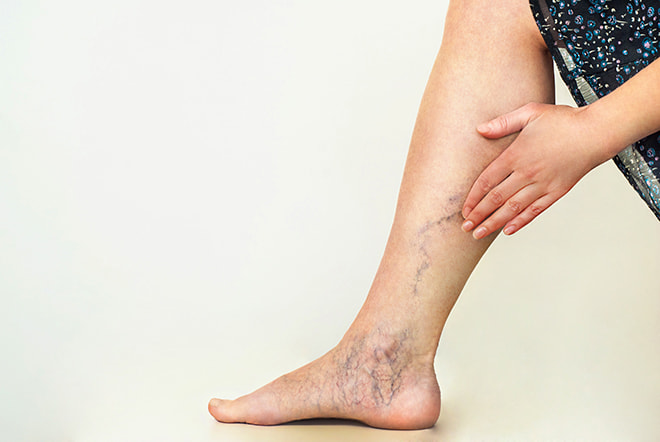
Varicose veins are enlarged, twisted veins that most often develop in the legs and feet. They appear as raised, rope-like cords beneath the skin, and they typically carry a bluish or purple color. These veins form when the valves inside them stop working properly, allowing blood to pool instead of flowing back toward the heart. Many people notice them for cosmetic reasons, though some also experience aching, heaviness, or swelling. Here is more information on these veins and why they appear:
Why Varicose Veins Appear
Veins rely on one-way valves to move blood against gravity from the lower body up to the heart. When these valves weaken, blood flow stalls and collects in the vein, and the added pressure causes it to stretch and bulge. This process, known as venous reflux, is the main mechanism behind varicose veins.
Several factors increase the likelihood of valve damage; age has a large role, since veins lose elasticity over time. Prolonged standing or sitting can also add strain, because staying in one position limits healthy circulation. Body weight, activity levels, and daily habits all influence how much pressure the veins in your legs must withstand throughout the day.
What Underlying Conditions Cause Them
Beyond everyday factors, certain underlying conditions contribute to the development of varicose veins. Chronic venous insufficiency is a common one, and it occurs when the veins struggle to return blood efficiently over an extended period. This ongoing pressure gradually enlarges the affected veins, potentially causing symptoms. Some vascular system symptoms to take note of include:
- Ulcer Development
- Leg Pain
- Veins That Itch
- Leg or Vein Swelling
Genetics also matter. A family history of vein problems often raises the chance that you will develop them as well. Hormonal changes are another influencing factor, particularly during pregnancy, when increased blood volume and shifting hormone levels place extra demand on the venous system. Pregnancy also causes pressure on the veins in the pelvis and legs, and this pressure can encourage varicose veins to form. Other contributing conditions include previous blood clots and physical injuries that affect vein structure.
When To Contact a Specialist
Varicose veins vary widely in appearance and impact. Some remain a cosmetic concern, while others produce discomfort that affects daily routines. You should consult a specialist if you notice persistent aching, throbbing, or a feeling of heaviness in your legs. Swelling around the ankles and changes in skin texture or color near the affected veins are additional signs worth discussing. A specialist can evaluate your circulation and examine the veins in detail. They may use imaging tools to assess how blood moves through your legs and to identify which valves are not functioning well.
Manage Varicose Vein Symptoms Effectively
Varicose veins develop because of a combination of valve function, lifestyle factors, and underlying health conditions. If you notice bulging veins or ongoing discomfort in your legs, schedule a consultation with a vascular specialist today. They can evaluate your circulation, explain what they observe, and help you understand the choices suited to your needs.
