



Hearing that you might need surgery is rarely easy news, and when it involves reproductive organs, the decision can feel even more personal. Gynecologic surgery covers a wide range of procedures, from small outpatient interventions to major operations requiring weeks of recovery. Understanding the different types, why they’re recommended, and what recovery actually looks like can turn a frightening unknown into something far more manageable.
What Falls Under Gynecologic Surgery
The term itself is broad. Gynecologic surgery refers to any surgical procedure involving the female reproductive organs — the uterus, ovaries, fallopian tubes, cervix, and vagina. It includes everything from a five-minute outpatient procedure to remove a small polyp, to a multi-hour operation addressing advanced cancer. Because the range is so wide, it helps to break it down into categories based on how invasive a procedure is and what condition it’s addressing.
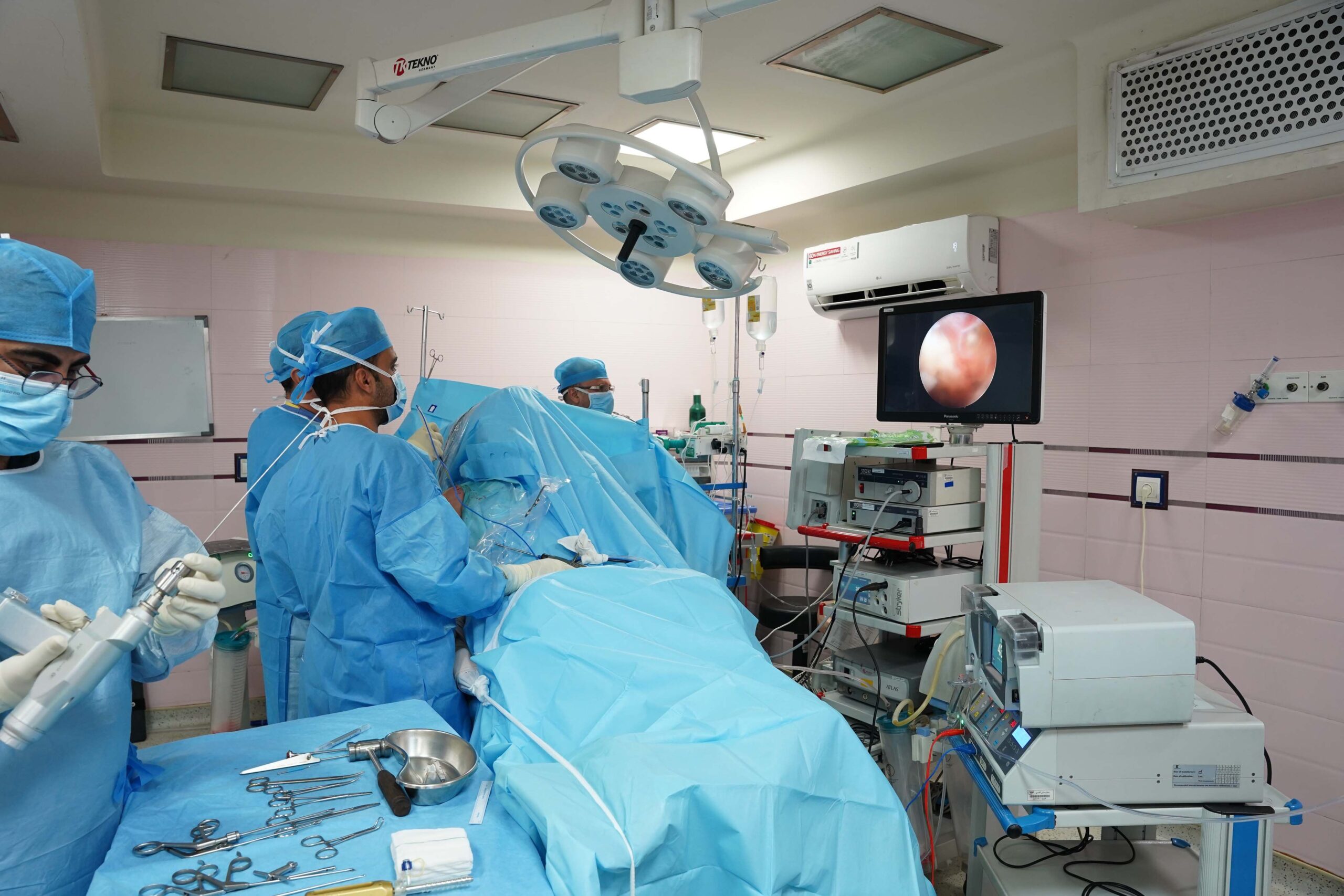
Diagnostic procedures make up one category. A hysteroscopy, for example, allows a doctor to look inside the uterus using a thin camera, often to investigate abnormal bleeding or take a tissue sample. These are typically quick, done under light sedation, and don’t require significant recovery time. Then there are therapeutic procedures aimed at removing or repairing something specific — fibroids, cysts, endometrial tissue that’s grown outside the uterus, or scar tissue from a previous surgery or infection.
At the more involved end are major operations like hysterectomies, which remove the uterus entirely, and oophorectomies, which remove one or both ovaries. These are typically reserved for more serious conditions, such as large fibroids causing significant symptoms, certain cancers, or severe cases of endometriosis that haven’t responded to other treatments.
Minimally Invasive vs. Open Surgery
One of the biggest shifts in gynecologic surgery over the past two decades has been the move toward minimally invasive techniques. Traditional open surgery involves a larger incision, longer hospital stays, and extended recovery — often six weeks or more. Laparoscopic surgery, by contrast, uses small incisions and a camera to guide the surgeon, resulting in less pain, shorter hospital stays, and faster return to normal activities, often within one to two weeks.
Robotic-assisted surgery has taken this further, giving surgeons enhanced precision through magnified, three-dimensional visualization and more dexterous instrument control than traditional laparoscopy allows. This approach has become especially common for procedures like hysterectomies and myomectomies, where precision matters significantly for preserving surrounding tissue and reducing complications.
That said, not every case is a good candidate for minimally invasive approaches. Larger fibroids, extensive scar tissue, or certain cancers may still require open surgery for the surgeon to have adequate access and visibility. The decision usually comes down to the specific condition, its size and location, and the patient’s overall health and surgical history.
Common Reasons Gynecologic Surgery Is Recommended
Fibroids are one of the most frequent reasons people end up considering surgery. These noncancerous growths in the uterus can cause heavy bleeding, pelvic pain, and pressure on surrounding organs. While many fibroids can be managed with medication, larger or more numerous fibroids often require surgical removal, either through a myomectomy that preserves the uterus or, in more severe cases, a hysterectomy.
Endometriosis is another common driver, particularly when the condition causes significant pain or fertility challenges that haven’t improved with hormonal treatment. Surgery in these cases typically focuses on removing displaced endometrial tissue while preserving reproductive organs whenever possible, especially for patients who want to maintain fertility.
Ovarian cysts, pelvic organ prolapse, abnormal uterine bleeding that doesn’t respond to other treatments, and certain cancers round out the list of conditions that frequently lead to surgical intervention. In cancer cases, the type and stage of the disease heavily influence how extensive the surgery needs to be, sometimes involving removal of nearby lymph nodes or tissue to reduce the risk of recurrence.
Preparing for Surgery
Preparation varies depending on the procedure, but there are some consistent elements across most types of gynecologic surgery. Pre-operative appointments typically involve blood work, imaging to confirm the surgical plan, and a detailed discussion of anesthesia options. Patients are usually asked to stop certain medications, particularly blood thinners, in the days leading up to surgery, and fasting is generally required the night before.
It’s also worth using this time to ask detailed questions. How long will recovery realistically take? What are the risks specific to this procedure? Will this affect fertility or hormone levels? A surgeon who takes time to answer these thoroughly, rather than rushing through a generic explanation, is generally a good sign of thoughtful, patient-centered care.
Recovery and Aftercare
Recovery timelines depend heavily on the type of procedure performed. Minimally invasive surgeries often allow patients to resume light activities within a week or two, with full recovery in about four weeks. Open surgeries, particularly abdominal hysterectomies, typically require six to eight weeks before returning to normal activity, including a period of restricted lifting and no strenuous exercise.
Pain management, wound care, and monitoring for signs of infection are standard parts of aftercare instructions. Patients are usually advised to watch for symptoms like fever, unusual discharge, or worsening pain, which could indicate complications requiring prompt attention. Follow-up appointments are typically scheduled within a few weeks to confirm healing is progressing as expected.
Beyond the physical recovery, many patients find it helpful to have emotional support during this period, especially after procedures that affect fertility or involve a cancer diagnosis. Many surgical practices now connect patients with counseling resources or support groups to help process the emotional impact alongside the physical healing.
Final Thoughts
Gynecologic surgery spans a wide spectrum, from quick diagnostic procedures to complex operations addressing serious conditions. Advances in minimally invasive and robotic techniques have made many of these procedures safer and easier to recover from than they were even a decade ago. Still, every case is different, and the right approach depends on individual circumstances, symptoms, and goals. Understanding the options available, and asking detailed questions before moving forward, remains one of the most effective ways to approach a surgical recommendation with confidence rather than fear.
