



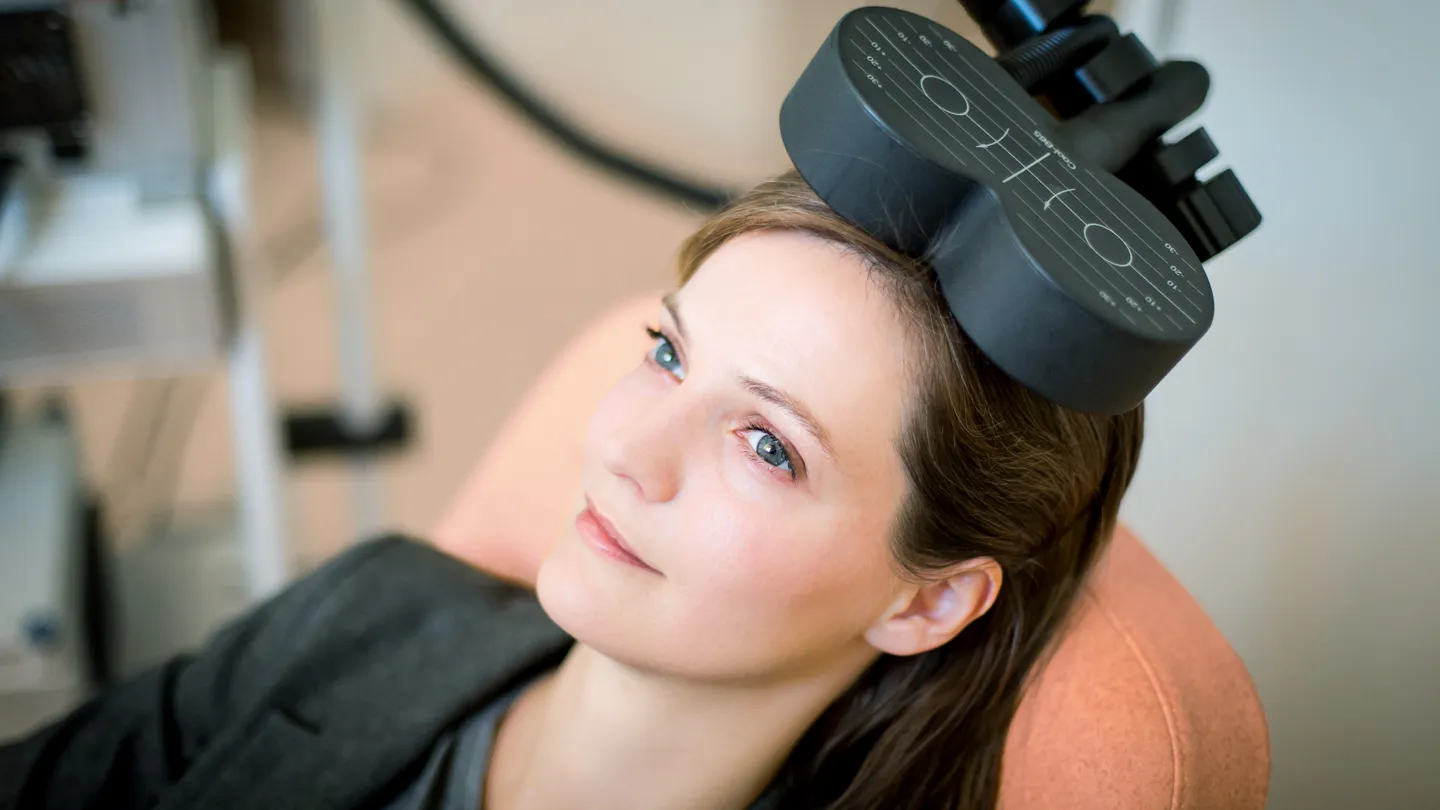
Transcranial magnetic stimulation (TMS) is a noninvasive treatment for certain mental health conditions, and doctors use it when medications have not brought relief. Since it targets specific brain regions, TMS works differently than pills. Here is more information on how the procedure works and what to expect:
Using Magnetic Fields
TMS relies on magnetic pulses to reach the brain. A device sits against your scalp, and it sends short bursts of magnetic energy through the skull. These pulses travel to areas linked with emotion. Since the fields pass through tissue without incisions, the treatment stays noninvasive.
Each session lasts between 19 and 37 minutes. You stay awake the whole time, and you sit in a chair while the coil rests near your head. The magnetic field reaches only a few centimeters into the brain. Technicians adjust the coil to target the intended region.
Stimulating Underactive Nerve Cells
Depression may reduce activity in specific nerve cells. Transcranial magnetic stimulation aims to wake those cells, and the pulses create small electrical currents in the targeted tissue. When neurons receive this stimulation, they begin firing more regularly. This process focuses on the prefrontal cortex.
Repeated sessions build on one another over several weeks. A typical course runs five days a week, and it spans four to six weeks. Doctors track your progress throughout this period. Since the brain responds gradually, most plans require multiple visits before changes appear. The stimulation targets a few key goals during treatment:
- Increasing activity in underactive brain regions
- Encouraging steady neuron firing patterns
- Supporting communication between connected areas
These aims shape how technicians set the device. Each patient receives settings based on their own measurements, and the team records these details. Since the brain differs from person to person, mapping happens before the first full session.
Reducing Depression or PTSD Symptoms
Doctors also use TMS procedures for post-traumatic stress disorder (PTSD), and some clinics offer it for that purpose. Patients report tracking symptoms such as low mood, poor sleep, and trouble concentrating. Doctors measure these signs at the start and during treatment. Symptom tracking covers several areas:
- Mood changes across the day
- Sleep quality and duration
- Energy levels and focus
- Interest in daily activities
You may notice shifts at different points in the process. Some people report changes within a few weeks, and others need the full course before anything registers. Results vary widely from one person to the next. Since outcomes differ, your care team monitors you closely.
Helping Patients Achieve Remission
Remission means symptoms drop to a very low level. Doctors examine how many patients reach this point, and the numbers differ. TMS is one tool among several treatment paths. Doctors combine it with therapy or medication in many cases.
Some patients return for maintenance sessions later. If symptoms come back, a provider may suggest another round, and this decision depends on your history. Follow-up appointments help the team assess your status.
Since relapse is possible, ongoing check-ins remain part of many plans. TMS is generally well-tolerated, but like any treatment, it may not work for everyone. Some patients report mild side effects like headaches or scalp discomfort, which are often temporary and manageable.
Schedule Transcranial Magnetic Stimulation
TMS involves a structured schedule and regular monitoring. A consultation is the first step, and during that visit your provider reviews your history. Since each plan is personal, your provider tailors the details to you. Contact our office today to book a consultation; reach out now to start the conversation about your treatment options.
