



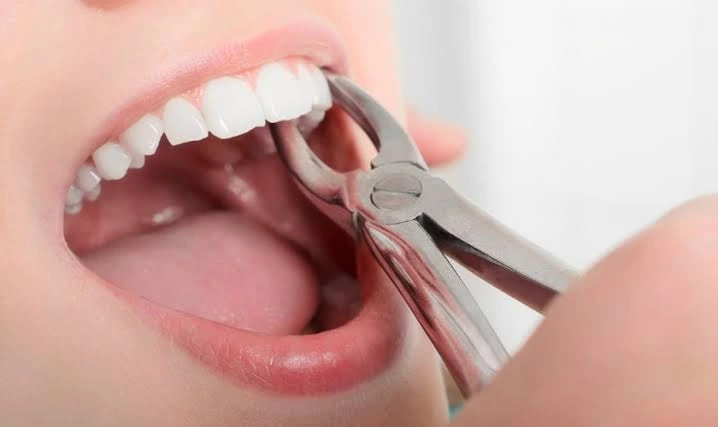
Each year, many people undergo dental extractions. Providers remove teeth to treat crowding, severe decay, and impacted teeth. Some extractions are simple, while others require a surgical approach, and each type needs specific care afterward.
Common Dental Extraction Types
Dental extractions fall into two main categories. For a simple extraction, your provider numbs your mouth and loosens the tooth with special tools. Then they remove it gently. They then pack gauze into the socket to control bleeding, and the initial recovery is generally straightforward. If this will not work for you, your plan may be different. Your provider makes a small incision, and then they split the tooth into pieces and remove each piece.
Sutures may close the incision, and your provider will explain when and how they will be removed. Both types require protective aftercare to support healing, but the steps differ in intensity. Because your provider will explain the process, you will understand the steps. Knowing your extraction type helps you follow the right aftercare steps. It prepares you for the days ahead.
Sudden Warning Signs to Know
Most extractions heal without problems, but certain symptoms need attention. Mild discomfort and minor swelling are normal, and they typically fade within a few days. Contact your provider if bleeding continues, as ongoing bleeding may signal a complication. Do not try to treat dry socket at home, as professional care is necessary. Watch for fever, pus, or a foul taste, since these may indicate infection. Do not hesitate to contact your provider. Numbness that does not fade after the anesthetic wears off also needs to be reported. Difficulty opening your mouth, a rash, or an allergic reaction to medication are more reasons to reach out. Keep your follow-up appointment, even if you are well.
Practical Post-Extraction Recovery Steps
Avoid any actions that could dislodge the clot during early recovery:
- Keep gauze in place for as long as your provider recommends, and replace it if needed.
- Do not rinse forcefully or use straws, as suction can dislodge the clot.
- Avoid smoking, as it delays healing and increases the risk of dry socket.
Rest for the first day, and apply a cold compress to reduce swelling. Use the compress in 20-minute intervals to keep inflammation manageable. Take prescribed or recommended pain relievers, and do not wait until pain becomes severe. Eat soft foods, drink water, and chew on the opposite side of your mouth. Good food choices include yogurt, mashed potatoes, and soft-cooked eggs. Avoid hot, crunchy, or spicy foods, because these can irritate the socket and delay healing. Rinse after meals to keep the area clean, and repeat several times daily. Keep up with your oral hygiene routine, as a clean mouth supports faster recovery. These steps protect the socket, and they support steady healing over the following days.
Schedule Dental Extractions Today
If you have a toothache or another oral health problem, seek treatment promptly. The team provides simple and surgical extractions to people of all ages, and they guide you through each stage of aftercare. Careful aftercare protects your recovery, and following these steps helps your mouth heal as expected. To make an appointment, call the office. Book one for yourself today.
