



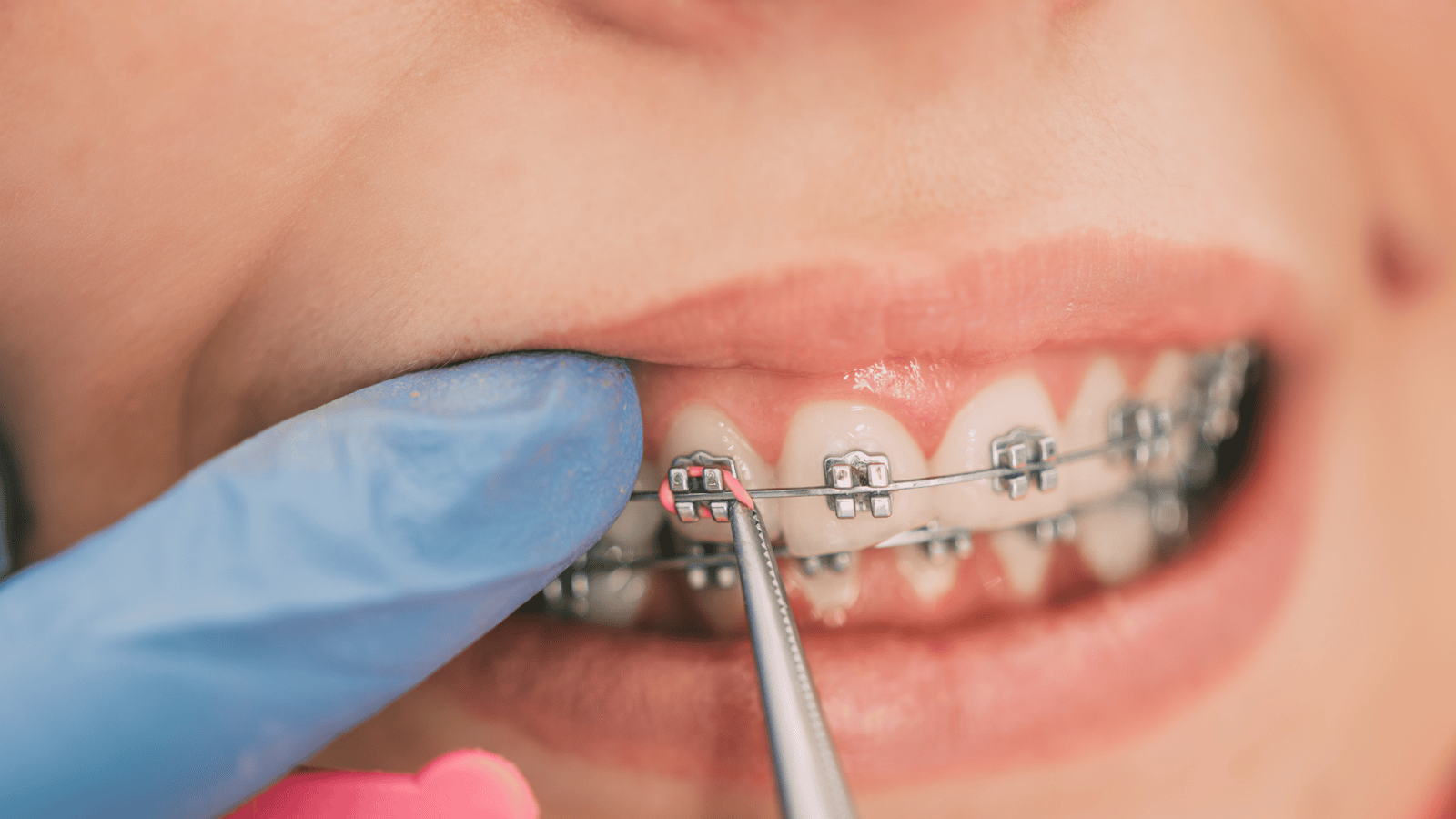
Orthodontics is the branch of dentistry that focuses on the alignment of teeth and jaws. Treatment moves through a series of defined stages, and each one has a distinct purpose. A patient begins with an evaluation, progresses through active correction, and finishes with a period designed to hold the results in place. Here is more information about orthodontics treatment and its progression:
Understanding Orthodontic Treatment
The process of straightening teeth with orthodontics is gradual, and the total length depends on the complexity of each case. Some patients complete treatment in several months, while others follow a plan that lasts multiple years. Orthodontic treatment addresses issues such as:
- crowded teeth
- gaps
- overbite
- underbite
- crossbite
Reviewing the Preparation Stage
The preparation stage begins with a consultation, and this is when the orthodontist gathers detailed information about the patient. The visit often includes X-rays, digital scans, and photographs of the teeth and jaws. After they collect this information, the orthodontist reviews the findings and outlines a treatment plan.
This plan describes the type of appliance, the expected timeline, and the goals for the finished result. The patient learns about the available options, and the discussion covers practical details such as scheduling and care routines. Any existing dental work, such as a cavity that needs attention, may be addressed before appliances are placed because the mouth should be prepared for the next stage.
Explaining the Treatment Stage
The treatment stage is the active phase when appliances are placed on the teeth. Braces and clear aligners apply gentle pressure to guide the teeth into new positions; devices such as spacers may be used, too. The orthodontist selects the appliance based on the plan created during the preparation stage.
Regular appointments are a central part of this stage. During these visits, the orthodontist checks progress, and they make adjustments to keep the teeth moving as intended. For braces, this might mean tightening wires or replacing components, while aligners require moving to the next set in the series.
The length of the treatment stage varies from one patient to another. Some patients finish a treatment with braces in less than 12 months, while others may take three years to complete; the orthodontist provides an estimate at the outset. The provider monitors your progress at each appointment so they can update the plan as needed.
Discussing the Maintenance Stage
Once the appliances come off, the maintenance stage begins. The teeth have reached their new positions, but they can shift over time without support. This stage focuses on maintaining the results in the future. Retainers are the primary tool used during maintenance, and they come in removable and fixed forms. A removable retainer can be taken out for eating and cleaning, while a fixed retainer stays bonded behind the teeth.
Learn More About Orthodontics
Orthodontic treatment progresses through three main stages: preparation, active treatment, and maintenance. While orthodontic services often benefit teenagers and adults, children as young as seven may benefit from orthodontic evaluations and treatment; this gives an orthodontist the chance to review tooth and jaw development at a formative age. If you want to learn more about orthodontic treatment, consult an orthodontist near you.
