



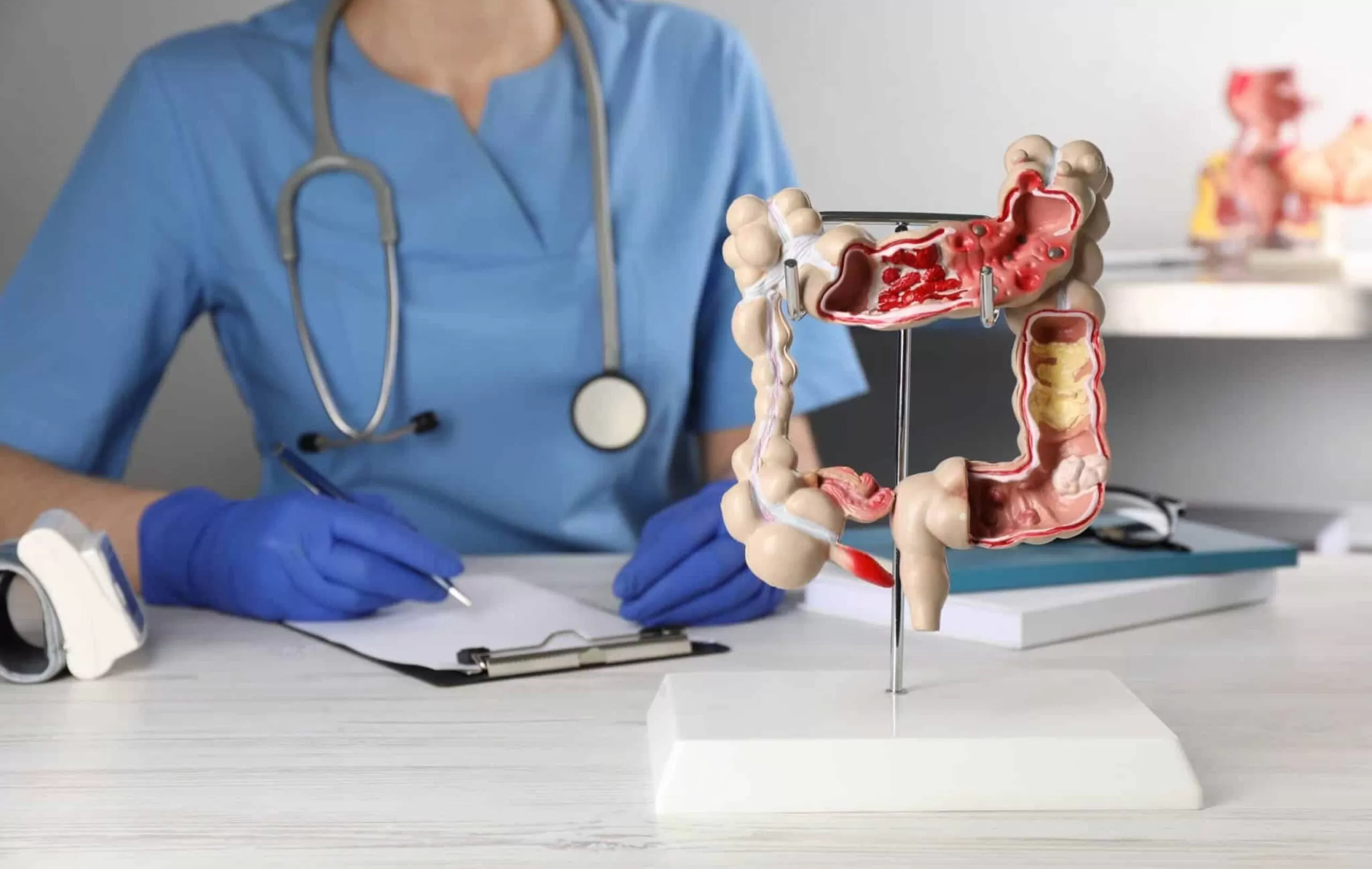
Colon cancer starts in the large intestine, and it typically grows slowly over many years. Doctors also call it colorectal cancer when it affects the rectum. Since early cases rarely cause symptoms, many people never notice a problem until later, but knowing your risk factors helps you take action. Here are some of the key risk factors of developing colon cancer:
Family History of Cancer
If a close relative had colon cancer, your own risk goes up. Genetics play a part, and shared habits within families add another layer. Parents, siblings, and children carry the most weight when doctors review your background. This connection guides how early you might start screening.
Some inherited conditions raise the odds even higher. Two examples stand out:
- Lynch syndrome, which affects several organs
- Adenomatous polyposis, which causes many polyps
Share your family history with your doctor, and bring details about who was affected and when. Since certain patterns signal higher risk, this information shapes your screening plan.
People Over Age 50
Age remains a strong predictor of colon cancer. Most diagnoses happen in adults over 50, though younger cases also arise. The disease develops gradually, so years of small changes add up before symptoms appear. Regular screening matters more as you get older.
Screening finds problems early, and it also removes growths before they turn harmful. Talk with your doctor about the right schedule for your age. Since guidelines shift over time, your provider will suggest what fits your situation.
Recent guidelines recommend that individuals over the age of 45 also begin regular screening for colon cancer. This change reflects the increasing number of cases being identified in younger adults. Early detection is key, as it allows for the removal of precancerous growths and the successful treatment of the disease in its early stages.
History of Polyps
Polyps are small growths on the inner lining of the colon. Most stay harmless, but some turn cancerous over time. If you have had polyps before, your chance of developing more increases. Doctors track this closely through follow-up exams.
The type of polyp matters when doctors judge your risk; a few features raise concern:
- Larger size
- Higher number
- Certain cell changes
Since past polyps signal a pattern, your doctor may recommend shorter gaps between colonoscopies. Removing new growths early keeps the risk lower, so ask your provider how often you need repeat testing.
Red Meat in Excess
Diet influences colon health, and red meat draws steady attention from researchers. Eating large amounts of beef, pork, or lamb is linked to higher risk over time. Processed meats like bacon and hot dogs add further concern. Cooking methods at high heat may also play a role.
You do not need to drop meat entirely to lower your exposure. Smaller portions and more plants make a practical starting point. Since balanced eating supports overall health, these shifts serve more than one goal. Fiber from vegetables, fruits, and whole grains rounds out a steadier diet.
Get Checked for Colon Cancer
Colon cancer risk grows with age, family history, and certain eating habits. Since early detection changes outcomes, testing stays your strongest tool against this disease. Book a screening appointment today, and talk with your provider about which test suits you. If you notice changes in your bathroom habits, reach out sooner.
