



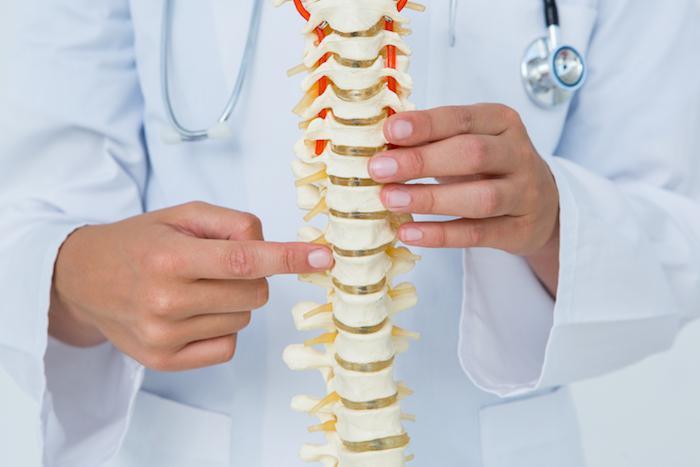
Disc surgery includes procedures used to treat spinal disc problems that cause persistent pain, weakness, numbness, or reduced mobility. Although it may relieve symptoms when nonsurgical treatments have not been effective, every surgical procedure has potential complications. Here’s more information on what patients should know about the risks of disc surgery:
General Surgical Risks
Every surgical procedure carries a baseline set of risks, and disc surgery is no exception. Anesthesia may trigger reactions in some patients, and blood loss during the operation requires careful monitoring. Infection at the incision site remains possible, though surgical teams follow strict steps to lower the possibility. Knowing these general risks helps you ask the right questions before your appointment. Recovery time also varies from person to person, and it depends on your overall health and the type of procedure you undergo. Blood clots can form after surgery, so your care team may recommend early movement to reduce that risk.
Spine-specific Surgical Complications
Beyond the general risks, disc surgery also has complications tied directly to the spine and its surrounding structures. The following are some spine-specific issues you may want to discuss with your surgeon:
- Nerve damage: Surgery near the spine places instruments close to sensitive nerves, and accidental injury may cause numbness, weakness, or tingling in your limbs.
- Dural tears: The dura is the protective covering around your spinal cord, and a small tear during surgery may lead to spinal fluid leaks that require extra repair.
- Hardware issues: Some procedures use screws, plates, or artificial discs, and these devices may shift, loosen, or wear over time.
- Recurrent disc herniation: A treated disc can herniate again, and this sometimes brings back the original pain that prompted your surgery.
Talking through these points early helps you weigh the benefits against the possible drawbacks.
Possible Long-term Outcomes
Disc surgery changes how your spine functions over time, so it helps to contemplate the long-term picture. Some patients experience lasting relief, while others notice that nearby discs take on extra strain and wear down faster. This shift, sometimes called adjacent segment stress, may lead to future procedures.
Mobility outcomes also differ depending on the procedure you choose. A spinal fusion limits movement in the treated area, and that trade-off may reduce pain but slightly change how you bend or twist. Disc replacement aims to preserve motion, though it carries its own set of concerns. Your surgeon can match the approach to your goals and lifestyle.
Personal Risk Factors
Your individual health profile also affects how well you respond to disc surgery. The following factors can influence your risk level and recovery, so review them with your care team:
- Age: Older patients often heal more slowly, and bone quality can affect how well hardware holds in place.
- Weight: Extra body weight places added pressure on the spine, and it can complicate both surgery and recovery.
- Smoking: Smoking slows healing and reduces blood flow, and it can increase the risk of infection or failed fusion.
- Existing conditions: Diabetes, heart disease, or other chronic issues may increase surgical risks and lengthen your recovery.
- Activity level: Your fitness before surgery influences how quickly you regain strength and mobility afterward.
You cannot eliminate every factor, but you can manage several through lifestyle adjustments before your procedure.
Book Your Disc Surgery Appointment
Disc surgery can ease severe neck or lower-back pain, but it has general risks, spine-specific complications, and long-term effects worth understanding. Your age, weight, habits, and health conditions all influence your personal risk, and a clear recovery plan supports better results. Contact a qualified neurological surgeon near you to book your disc surgery appointment today.
