



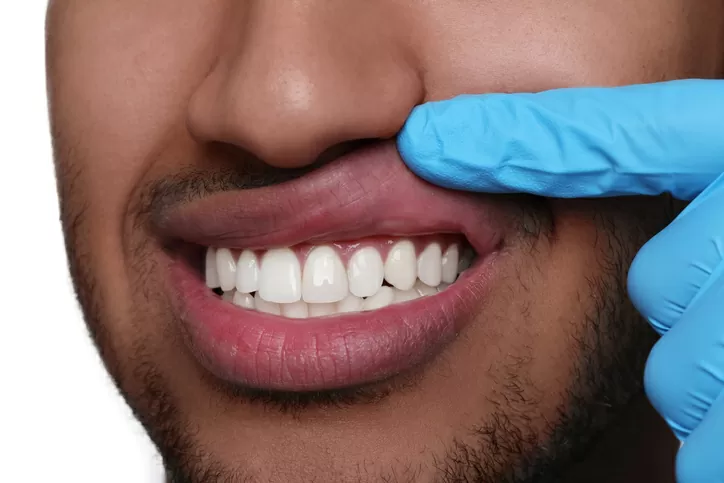
Gum disease begins with bacterial buildup along the gumline; it progresses through stages that range from mild inflammation to advanced tissue damage. Gum treatments target this infection at different points, depending on the stage of disease and the condition of the gums. The mild form is gingivitis, while the more serious form is periodontitis. Understanding the available options helps explain when professional care applies.
Understanding Gum Treatments
Gum treatments vary based on the severity of gum disease and the condition of the surrounding tissue. Red, swollen gums signal early trouble. Gums may feel tender or painful; they bleed easily during brushing or flossing. Bad breath is another sign, because bacteria feed on plaque and release toxins that produce a foul smell; this symptom links more closely to serious gum disease than to gingivitis. Receding gums make teeth look longer; this pulling away creates pockets between the tooth and gum. Sensitive teeth accompany receding gums when the dentin becomes exposed, and shifting or loosening teeth point to bone damage that changes how teeth fit together during a bite.
Reviewing Nonsurgical Treatments
Nonsurgical gum treatments control bacterial growth without incisions. A professional dental cleaning removes plaque and tartar from above and below the gumline; this preventive step supports gum health, though it does not treat active disease. Scaling and root planing goes deeper under a local anesthetic, and it removes plaque and tartar while smoothing the tooth roots so gums reattach. Dentists may prescribe medications alongside these procedures. Common options include:
- Antiseptic chips
- Antibiotic microspheres
- Antibiotic gel
- Enzyme suppressant tablets
These options target bacteria and support treatment plans for gum disease.
Exploring Surgical Options
Surgery becomes relevant when tissue around the teeth cannot recover through nonsurgical methods. Flap surgery lifts the gums back to remove tartar, and the gums are then repositioned around each tooth to reduce pocket depth. Bone grafts replace bone destroyed by disease, and they use fragments of your own bone, synthetic bone, or donated bone as a platform for regrowth. Soft tissue grafts reinforce thin gums or fill receded areas, and tissue taken from the roof of the mouth is stitched into place. Guided tissue regeneration inserts a mesh-like fabric between bone and gum, and this keeps gum tissue from filling space where bone should regrow. Bone surgery reshapes shallow craters, and it smooths the bone so bacteria find fewer places to collect.
Using Medication Options
Medications reduce or temporarily eliminate the bacteria tied to gum disease. Chlorhexidine controls plaque and gingivitis, and it comes as a mouth rinse or a gelatin-filled chip placed in pockets after root planing. Doxycycline, tetracycline, and minocycline also treat gum disease, and dentists select the appropriate medication based on individual needs.
Some over-the-counter products support gum care between visits. Certain antibacterial toothpastes contain fluoride and triclosan, and these reduce plaque and gingivitis. Antimicrobial mouthwash controls bacteria during daily brushing routines. These products complement professional care rather than replace it, and they support ongoing oral hygiene between dental visits.
Talk With a Dental Professional
Schedule an evaluation if you notice bleeding, swelling, or shifting teeth. A dentist or periodontist performs most procedures in the office, and treatment time, discomfort, and healing periods vary based on the procedure. Early detection guides effective care, so a professional evaluation helps determine appropriate treatment options. Gum disease treatment depends on the condition of the gums, and a dental professional selects the approach that matches the diagnosis.
